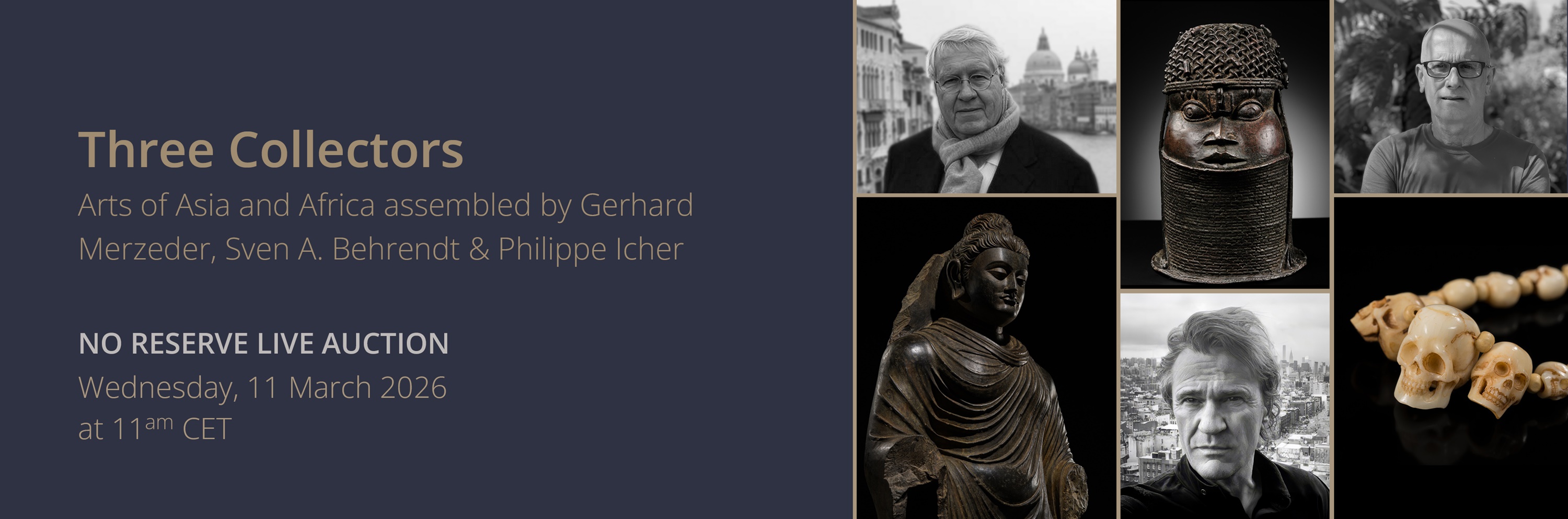
Live Auction
11 March 2026 at 11 AM CET
AUCTION OVERVIEW LOTS
This auction presents selections from three outstanding collections assembled by three unique collectors, each highly distinguished in their own way, while unified in their love of art and travel as well as their heartfelt curiosity, awe, and respect for the remote and diverse cultures they encountered. This foreword serves as a place to briefly tell each of their stories, which are deeply imbued into the objects they acquired.
Important Information for Buyers
All lots in this auction are offered with No Reserve, allowing bids below the starting prices to be considered.
Please note that the starting prices have been set at exceptionally low levels to encourage participation.
We encourage you to take advantage of this unique opportunity to acquire remarkable pieces at highly competitive prices.
Uncover the story for yourself with more details, photos and documents.
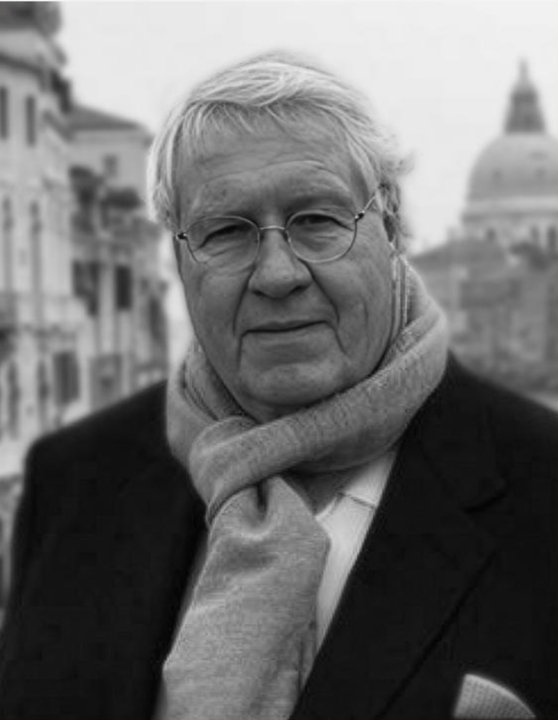
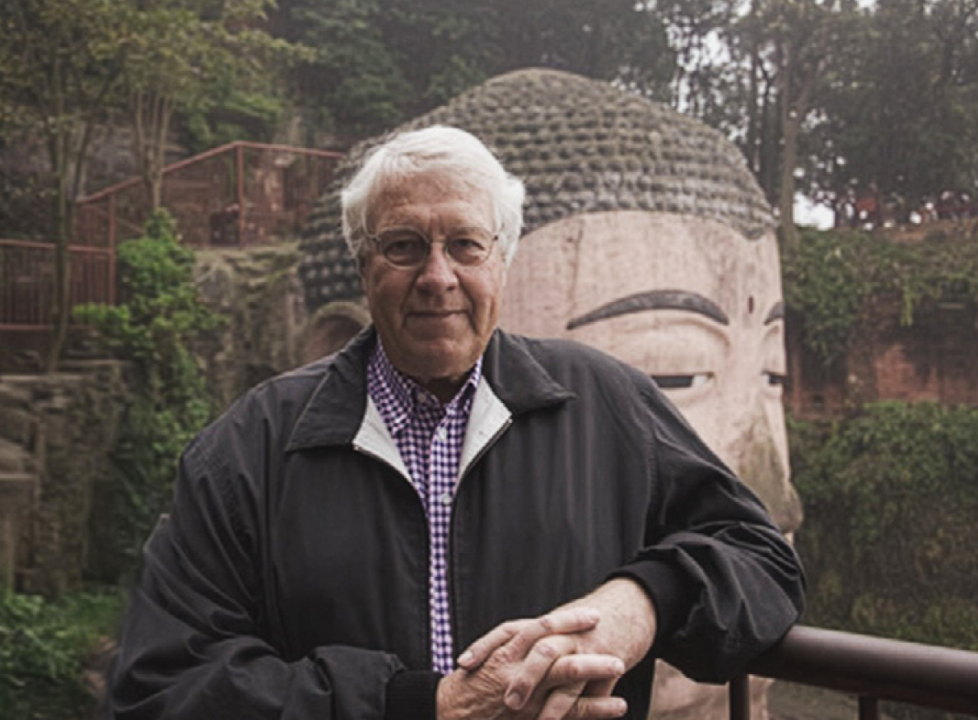
Sven A. Behrendt was a man whose life was defined by an unrelenting passion for discovery and a deep devotion to the art of collecting.
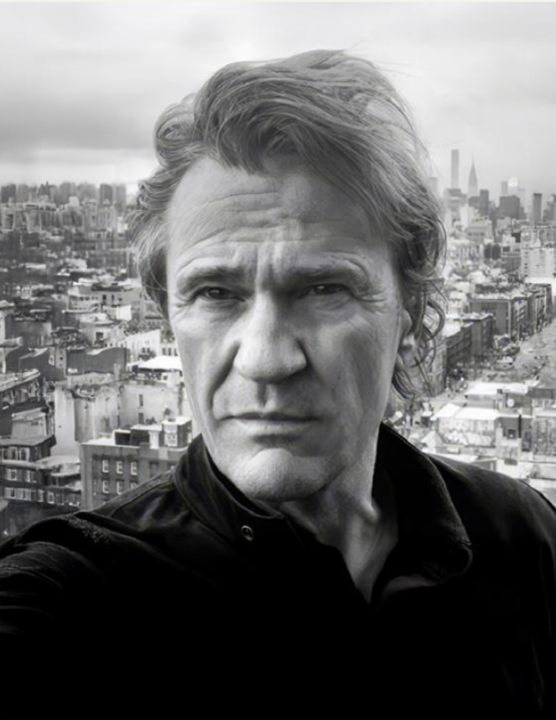
Restless curiosity defi nes Gerhard Merzeder’s life and work. Born in 1963 in Upper Austria, he developed early into an artist for whom the world itself became both subject and archive.
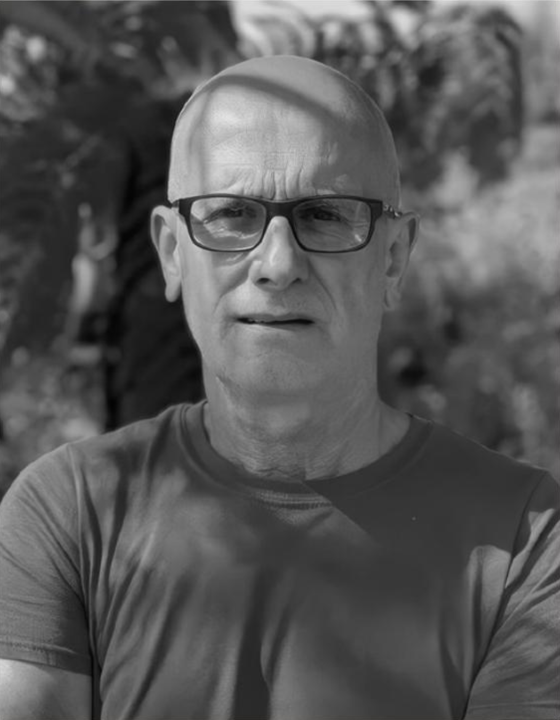
Philippe Icher is an artist and collector whose life and work have been shaped by an enduring bond with travel, material culture, and the spiritual traditions of the Himalayas.
Throughout his life, Behrendt accumulated a diverse and expansive collection that reflected his wideranging intellectual pursuits. His profession as a physicist and his keen observational skills allowed Behrendt to approach his travels and collecting with both an analytical mind and a creative spirit. His homes in London and Salzburg, filled with statues, paintings, books, and objects of art, became a testament to his love for the cultures he encountered and the beauty he discovered in every corner of the world.
From serene Buddha heads to European Old Master paintings, his collection offered a visual journey through the history of art and civilization. These works were more than mere acquisitions; they were expressions of Behrendt’s deep engagement with the world and his desire to share the treasures of humanity’s cultural heritage.
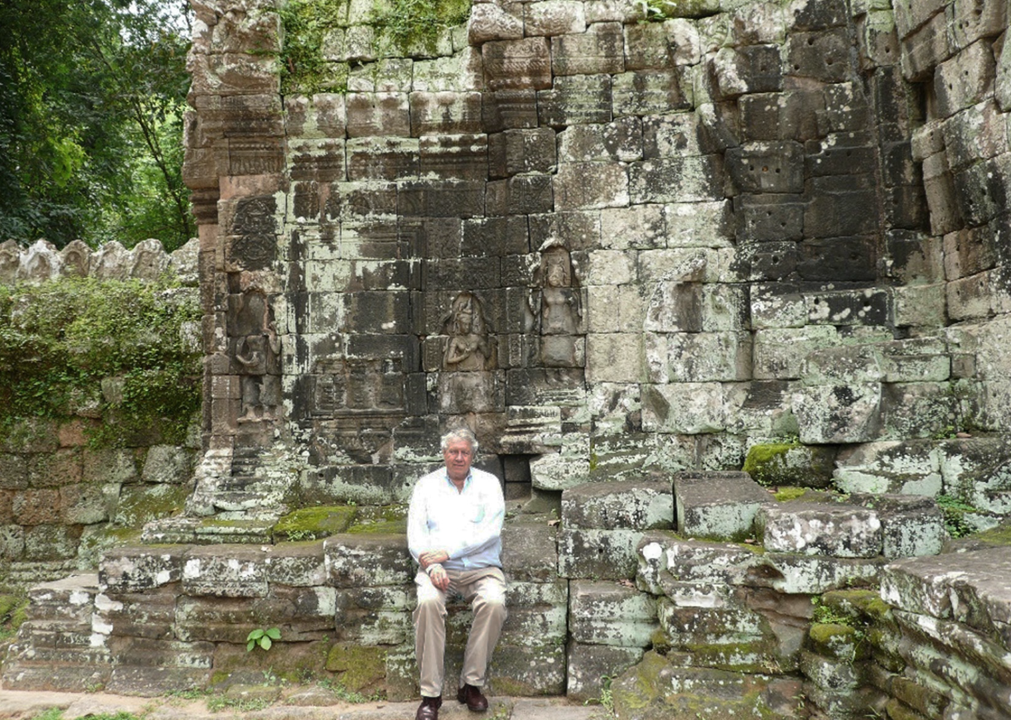
Behrendt visiting Khmer temple ruins in Cambodia
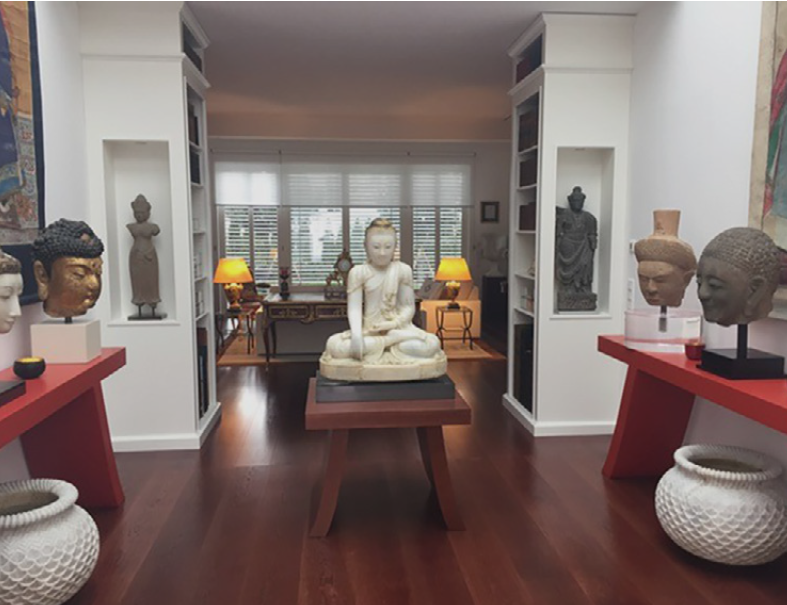
The Behrendt residence in Salzburg with a number of objects included in this sale on view
Sven A. Behrendt’s legacy is one of intellectual exploration, cultural immersion, and a lifelong dedication to the pursuit of beauty. His collection, which now finds a place in the world of art auctions and galleries, serves as a tribute to his vision and his belief in the transformative power of art to connect people across time and space.
In his travels and his collecting, Behrendt was driven not by ego or the desire for possession, but by a genuine love of learning and understanding. His profound knowledge of art, music, literature, and science made him not only an extraordinary collector but also a remarkable conversationalist, whose insights were both rare and illuminating. Even in his later years, when his health began to decline, Behrendt’s mind remained sharp, and he continued to reflect on his lifelong journey through art, culture, and discovery.
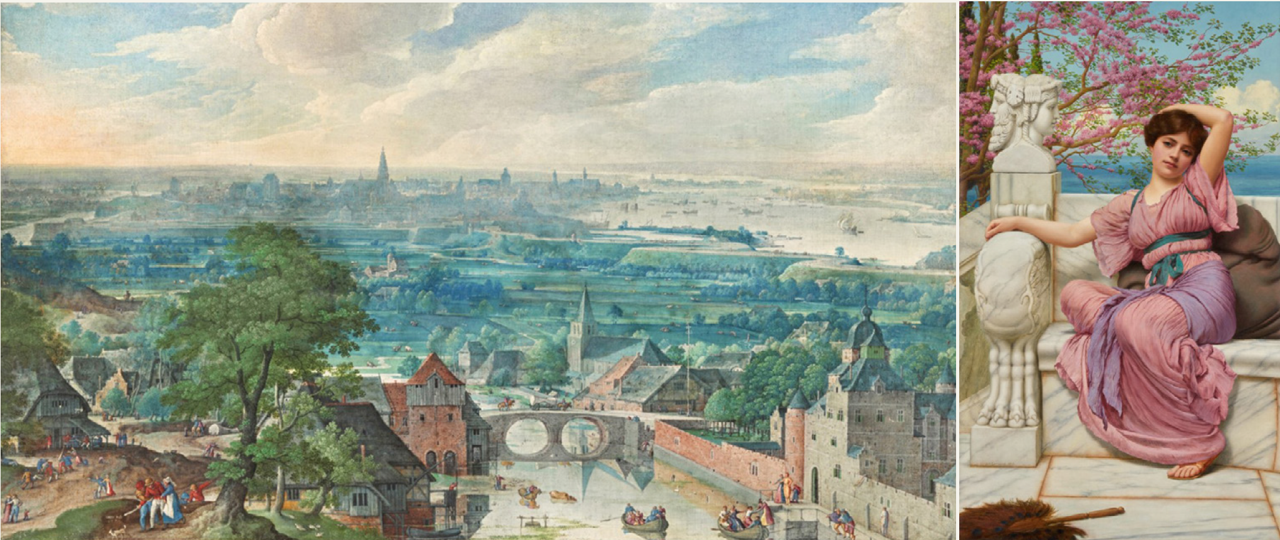
On 2 December 2025, his extraordinary collection was the focus of the Sotheby’s single-owner sale A Worldwide Grand Tour: The Sven A. Behrendt Collection. The auction was a success with notable highlights including a panoramic landscape by Hans Bol that fetched an impressive 1,064,800 GBP, and a painting by John William Godward, which sold for 355,600 GBP.
This sale not only celebrated Behrendt's exceptional connoisseurship but also introduced his remarkable collection to a new generation of art lovers and collectors, further cementing his legacy as a passionate and discerning patron of the arts.
A decisive turning point came in the mid-1980s, when Merzeder traveled to Nigeria and encountered African art not as an abstract category but as a living continuum of ritual and environment. There he met Susanne Wenger, the Austrian artist who had become a central figure of the New Sacred Art movement in Osogbo, and whose lifelong devotion to Yoruba spirituality and the sacred groves of the goddess Osun revealed art as a fusion of cosmology, landscape, and collective memory.
Photographing these sites, Merzeder experienced art as presence rather than object—an insight reinforced by a formative moment alone among ancient Ife bronzes and terracotta heads in the Lagos museum during a power outage. That encounter ignited a lifelong commitment to collecting, initially focused on African works and later expanding across cultures and continents.
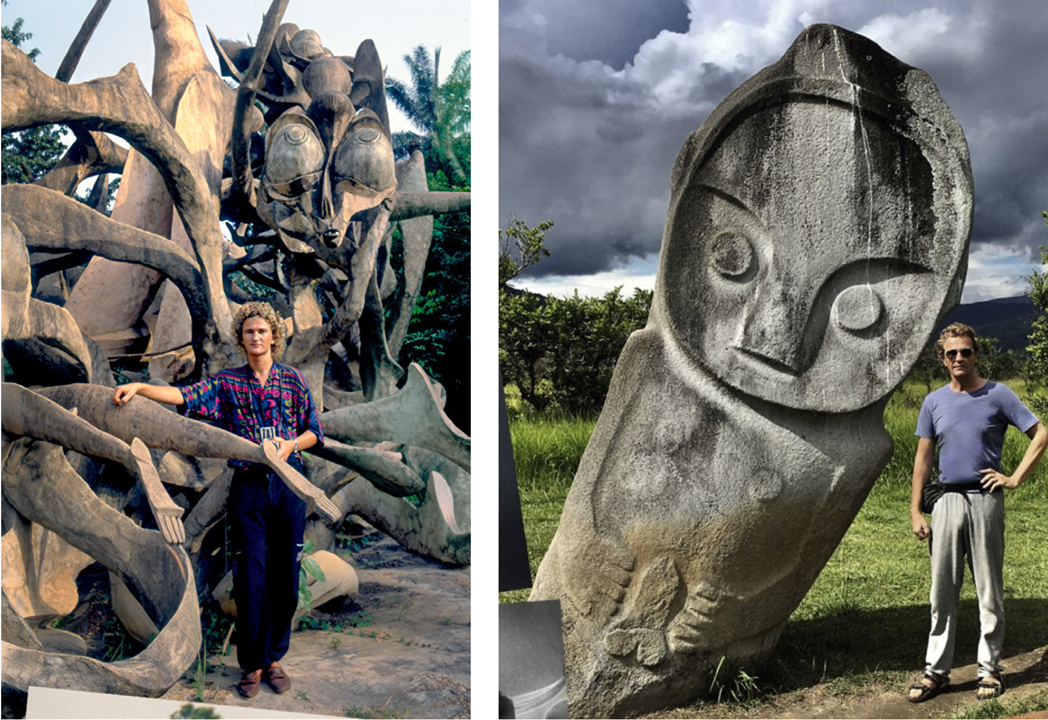
In Nigeria with a sculpture by Wenger at the Osogbo Shrines (1985) and in Bada Valley, Sulawesi (2009)
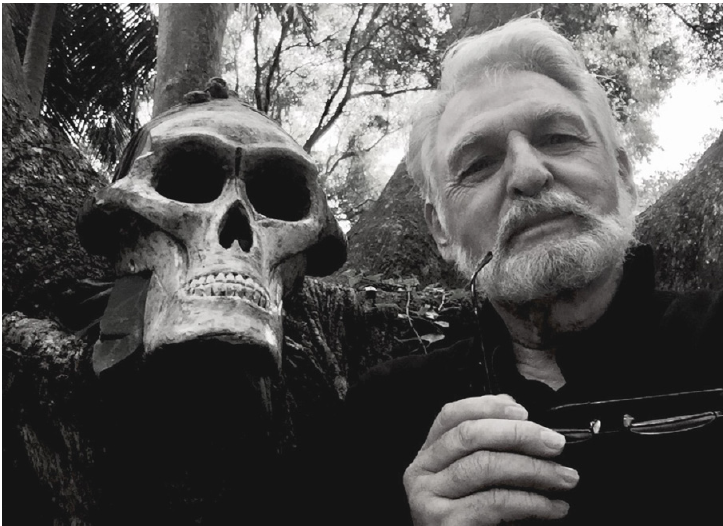
Gert Chesi in the Voodoo forest
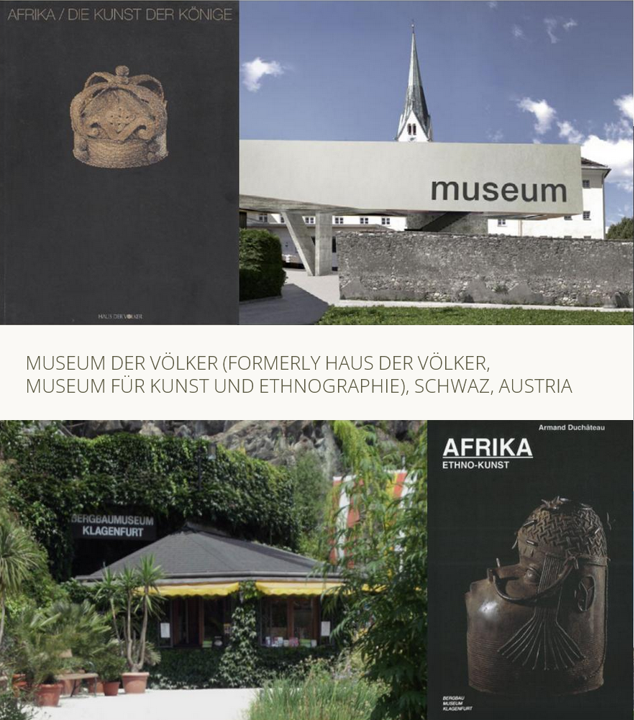
Collecting, for Merzeder, was never an act of accumulation but of preservation and dialogue. This philosophy found a natural counterpart in his collaboration with Gert Chesi, the Austrian photographer, ethnologist, author, and tireless advocate of non-Western art. Chesi, whose decades of travel and research formed the basis of the Museum der Völker (formerly Haus der Völker, Museum für Kunst und Ethnographie) in Schwaz—one of Europe’s most important institutions dedicatedto world and tribal art, and where many of the objects in this sale were exhibited—shared Merzeder’s conviction that objects must be presented with cultural depth and dignity.
Beginning in 2005, their collaboration became a focal point of Merzeder’s ethnographic work, most notably through the founding of A4 Magazin, the first German-language publication devoted entirely to tribal art from Africa, Asia, Australia, and the Americas, which often included pieces from Merzeder’s personal collection, including lots now off ered in this auction.
Through exhibitions, publications, and shared curatorial projects, Merzeder and Chesi positioned photography and collecting as complementary tools of cultural mediation. Today, living in Thailand, Merzeder continues to synthesize his roles as traveler, ethnographer, photographer, and collector—shaped by a lifetime spent crossing borders and guided by the conviction that art is inseparable from the cultures, journeys, and encounters that give it form.
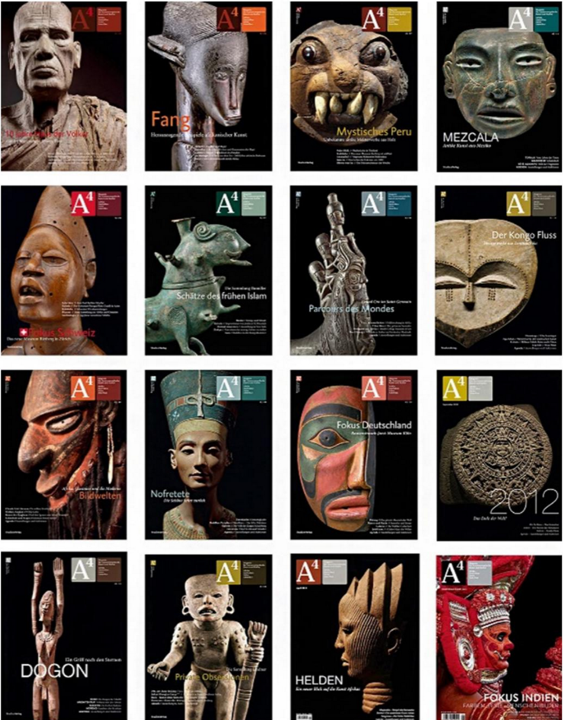
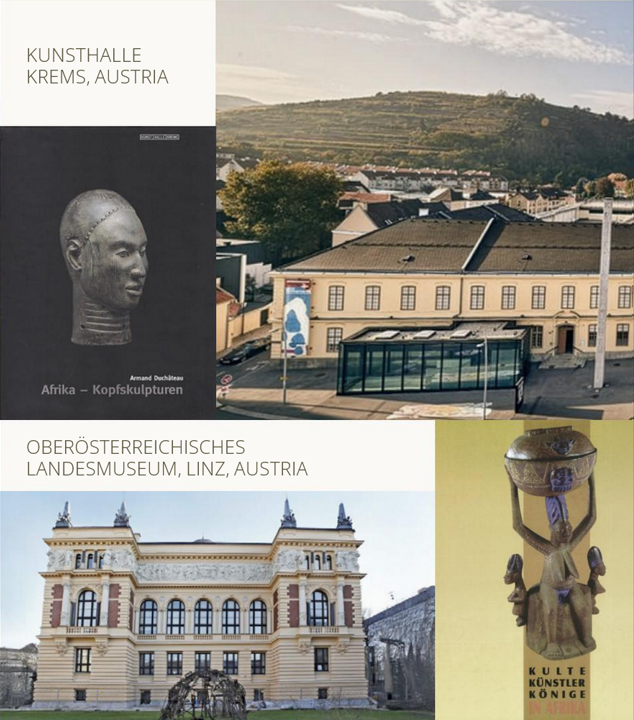
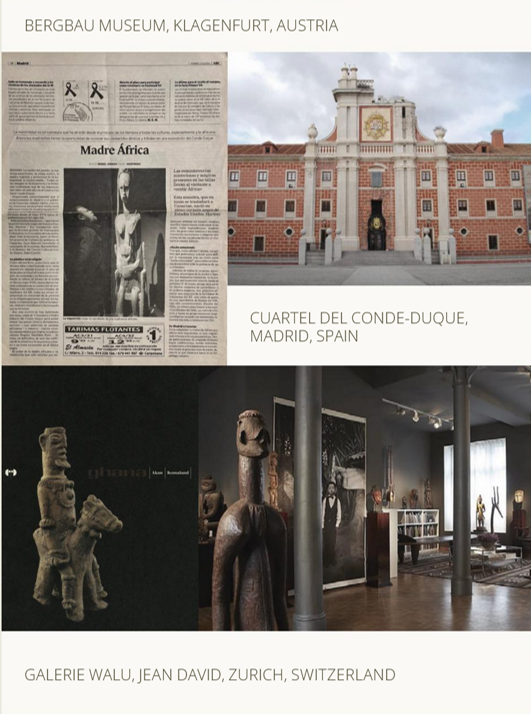
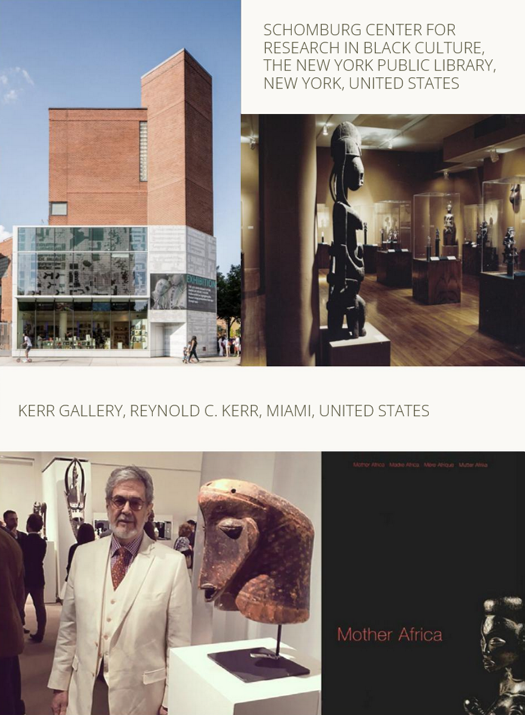
Covers of A4 Magazin, created by Gerhard Merzeder and Gert Chesi
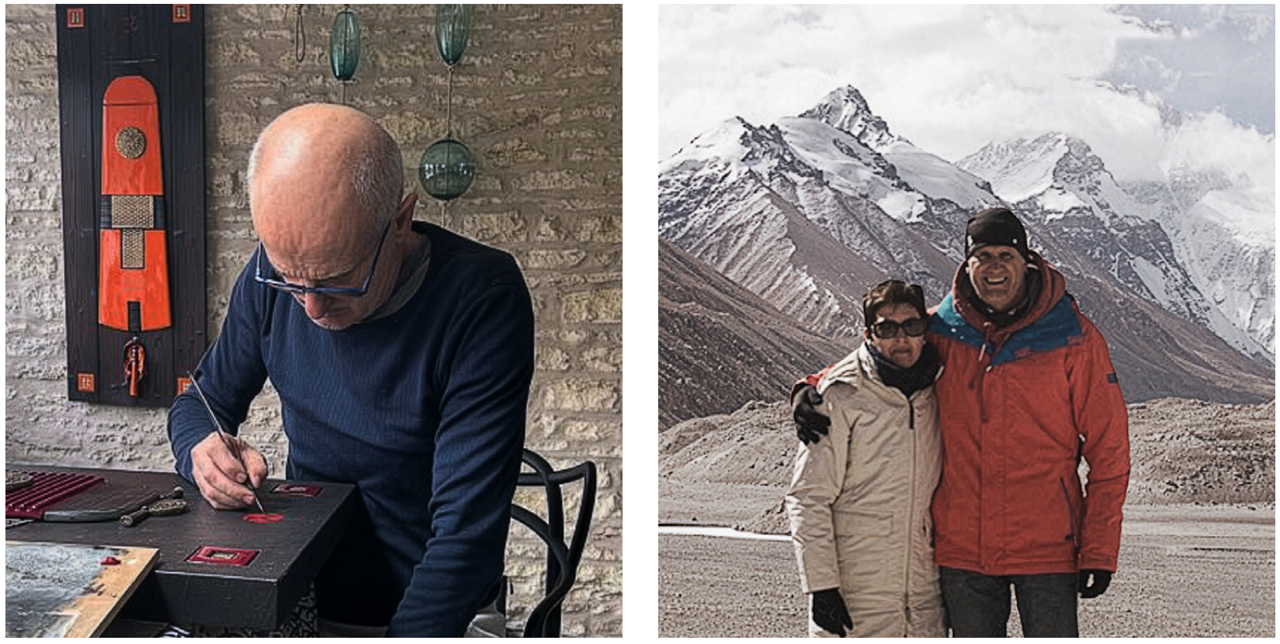
Philippe Icher at work in his studio and at the foot of Mount Everest in Tibet
From an early stage, Icher was drawn to Asia, and more specifically to the regions stretching from Tibet to Ladakh, Nepal, and Zanskar. Traveling well beyond established routes, he immersed himself in daily life among Himalayan communities, captivated by the omnipresence of nature, the simplicity and generosity of the people, and a philosophy of life rooted in humility and spiritual awareness. These journeys became both a source of artistic inspiration and the foundation of a deeply personal collection, assembled over many years with patience, respect, and discernment.
As a collector, Icher sought objects not as curiosities, but as vessels of meaning. Buddhist prayer scrolls in Nepalese Sanskrit, Tibetan ornaments, ritual jewelry, engraved copper plates, Indian textile and batik stamps, and fragments of utilitarian beauty were gathered through lived encounters and shared moments. One of the most formative experiences of his life was attending the Kalachakra festival in Ladakh, led in part by the Dalai Lama, where the spiritual intensity of the event was matched by the visual richness of traditional adornments worn by men and women alike. These objects, imbued with symbolic weight and personal memory, would leave an indelible mark on his artistic language.
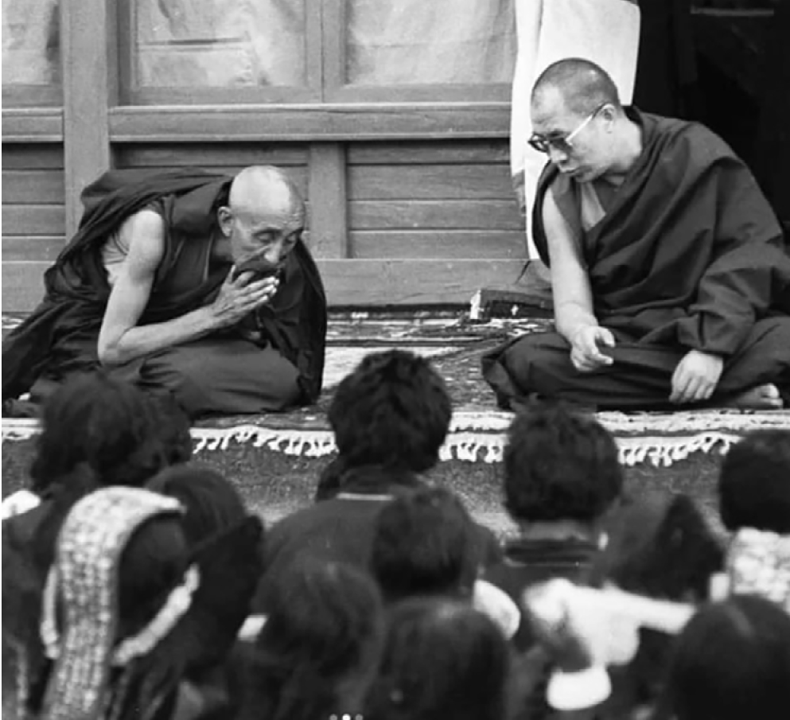
The 14th Dalai Lama at the first Kalachakra in Ladakh, September 1976
In the studio, Icher brings these collected elements into dialogue with his primary medium: ceramics. Clay forms the structural and emotional core of his wall works, around which bronze, pigments, wood, hemp, mother-of-pearl, leather, and found objects are carefully assembled. The resulting compositions evoke tribal adornments, sacred books, or fragments of ancient architecture—works that feel at once timeless and intimate. Each piece is conceived as an invitation to travel, echoing the spirit of the Silk Road and the age of great explorers, while remaining deeply anchored in the artist’s personal experience.
Icher’s dual identity as artist and collector reached a new level of recognition when he was selected to create the complete decorative universe for the K2 Djola Courchevel, one of the Leading Hotels of the World. There, his works resonate seamlessly with an environment inspired by Himalayan peaks, affirming the coherence between his artistic vision and his lifelong engagement with Himalayan cultures. Today, present in numerous European collections, Philippe Icher stands as a rare figure for whom collecting is not accumulation but stewardship—an act of preserving memory, symbolism, and beauty, and of passing them forward through art.
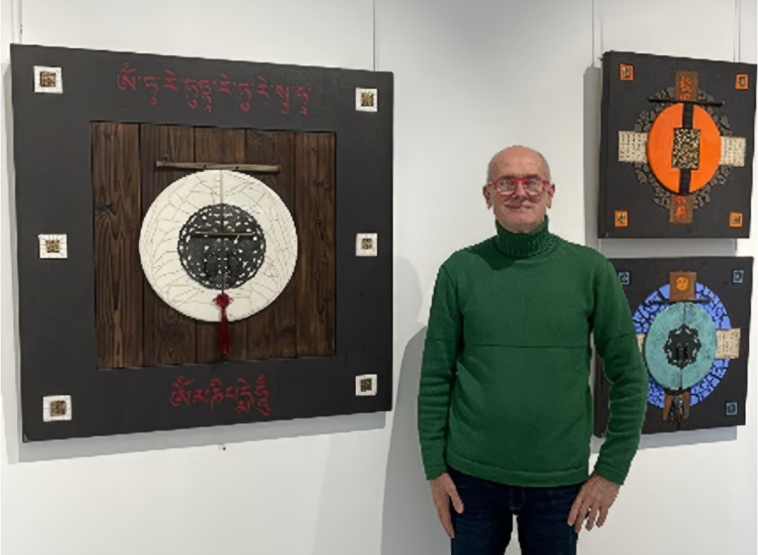
Icher at an exhibition of his works
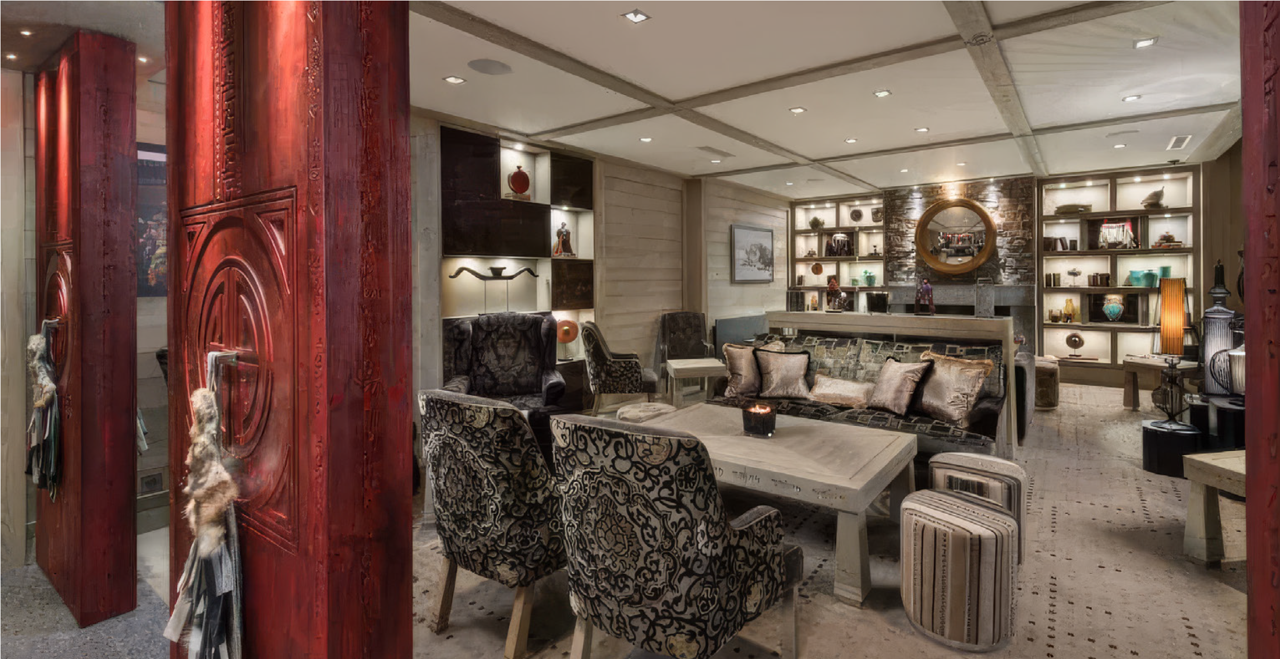
Interiors of the K2 Djola Courchevel (one of the Leading Hotels of the World), featuring works created by Icher
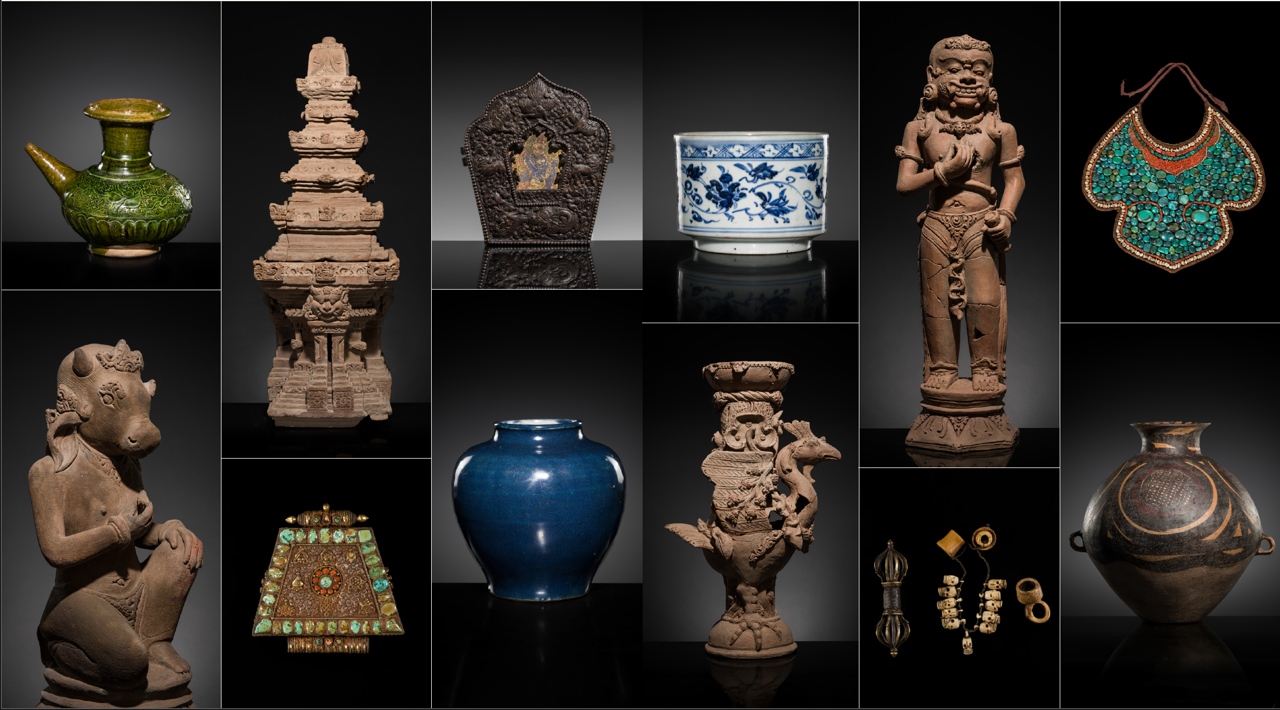
of Himalayan Art – Part 2
of Chinese Ceramics
of Majapahit Terracotta Figures – Part 2

Managing Director
Senior Expert - Chinese & Southeast Asian Art
Expert - Chinese & Southeast Asian Art
Production Director

Online Content Director

Cataloger

Cataloger

Cataloger

Cataloger