.jpg)
AUCTION OVERVIEW LOTS
Immerse yourself in our virtual 3D exhibition tour and experience an interactive preview of the items waiting for you in our auction! We also invite you to come to the exhibition in person until 10 March 2026.
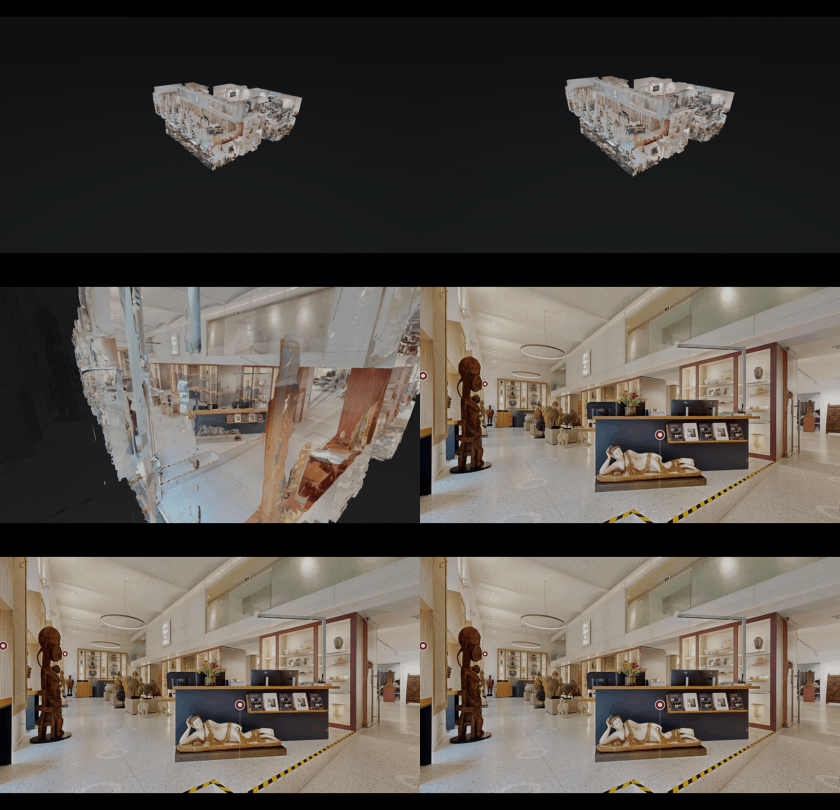
Enjoy this personal video tour of the exhibition for this auction with art experts Alexander and Max Zacke.
This auction unites three distinct provenances shaped by long-standing dedication to art, culture, and scholarship.
The collection of Paolo Bertuzzi, a Bolognese fashion stylist and lifelong collector, offers a selection defined by refined connoisseurship informed by haute couture and academic study, spanning works from archaic to contemporary traditions. Complementing it is the collection of Philippe Icher, an artist and traveler whose long engagement with the Himalayan world produced a deeply personal group of ritual objects, ornaments, and tools of everyday beauty gathered through lived experience and spiritual encounter. The third provenance traces to the early foundations of The National Museum of the Philippines, reflecting more than a century of institutional commitment to preserving, studying, and transmitting cultural heritage.
Together, these collections form a cohesive offering that bridges private passion, artistic inquiry, and institutional legacy across cultures and generations.
Uncover the story for yourself with more details, photos and documents.
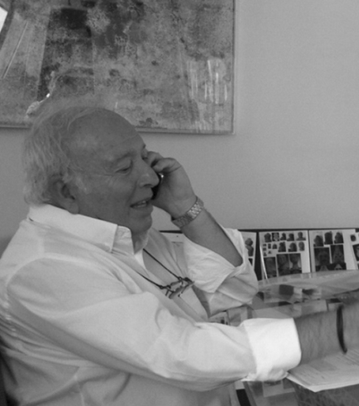
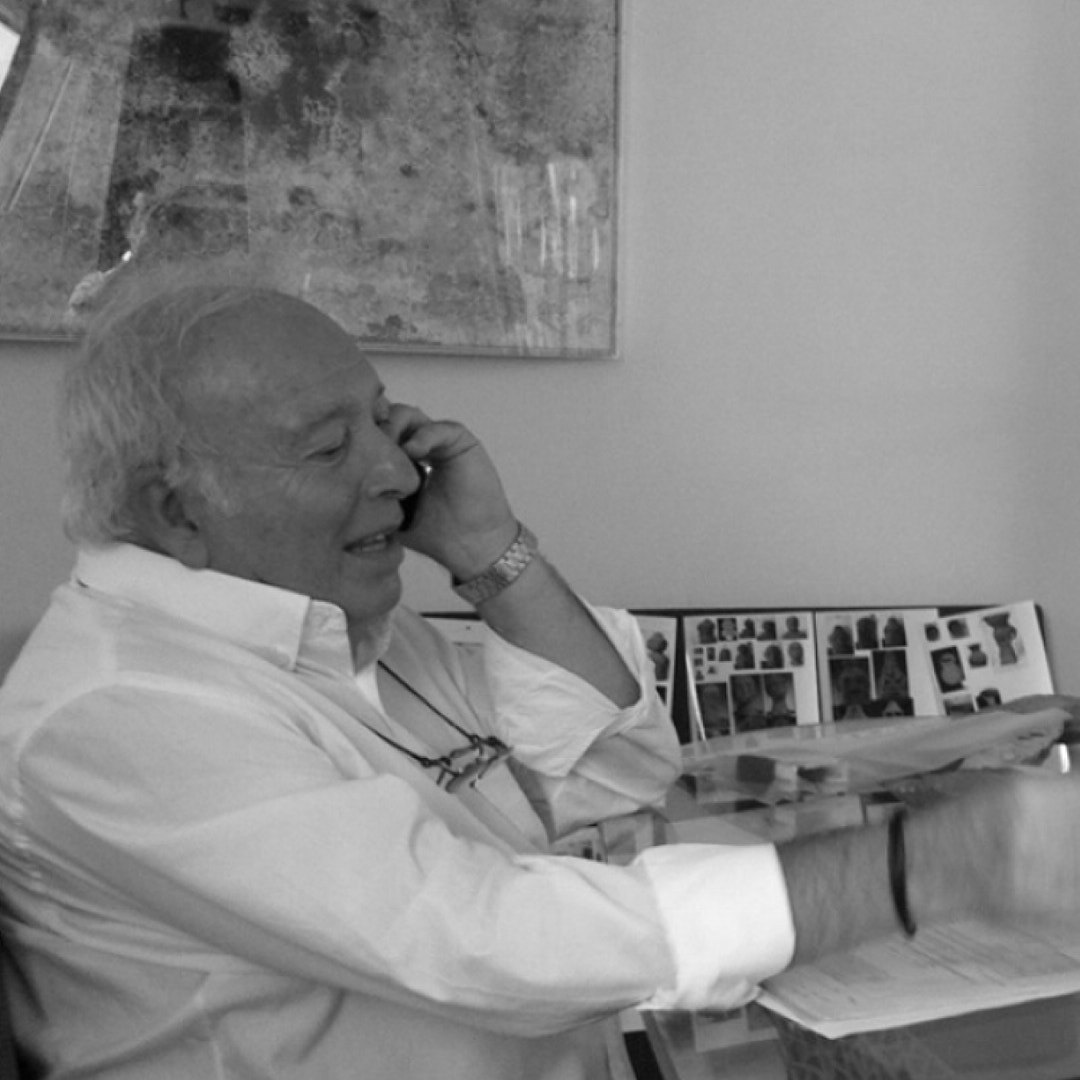
Paolo Bertuzzi (1943–2022) ran Hettabretz, a noted Italian fashion company with customers such Audrey Hepburn and Elizabeth Taylor. He was also an avid collector of antiques for more than 60 years. He edited two important books on Asian art, both documenting major excavation projects.
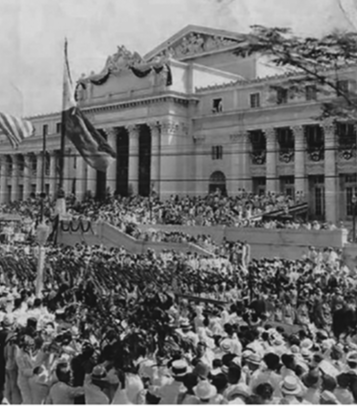
The National Museum of the Philippines traces its history to the establishment of the Museo-Biblioteca de Filipinas during the Spanish colonial period, by virtue of a royal decree of the Queen-Regent of Spain, Maria Cristina, that was approved at the recommendation of the Overseas Minister of the Spanish Government, Victor Balaguer, on August 12, 1887.
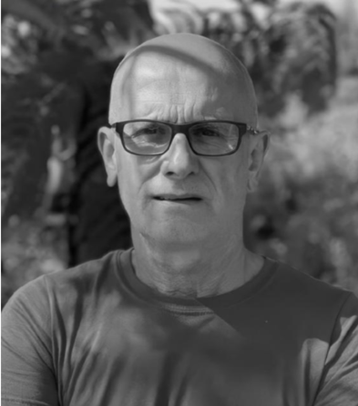
Philippe Icher is an artist and collector whose life and work have been shaped by an enduring bond with travel, material culture, and the spiritual traditions of the Himalayas. A ceramicist by training and a traveler by instinct, Icher has spent decades moving between artistic creation and exploration, allowing each pursuit to inform and enrich the other. His work reflects not only technical mastery but also a lived experience of cultures encountered far from conventional paths.
Paolo Bertuzzi (1943–2022), was a fashion stylist from Bologna, Italy. He was the son of Enrichetta Bertuzzi, founder of Hettabretz, a noted Italian fashion company with customers such as the Rothschild family, Audrey Hepburn, and Elizabeth Taylor. Paolo Bertuzzi later took over his mother’s business and designed exclusive pieces, some of which were exhibited in the Costume Institute of the Metropolitan Museum in New York, USA.
He was also an avid collector of antiques for more than 60 years. His collection includes both archaic and contemporary art. He also edited two important books on Asian art: Goa Made – An Archaeological Discovery and Majapahit – Masterpieces from a Forgotten Kingdom, both documenting major excavation projects carried out in collaboration with the respective national governments of Indonesia and Italy.
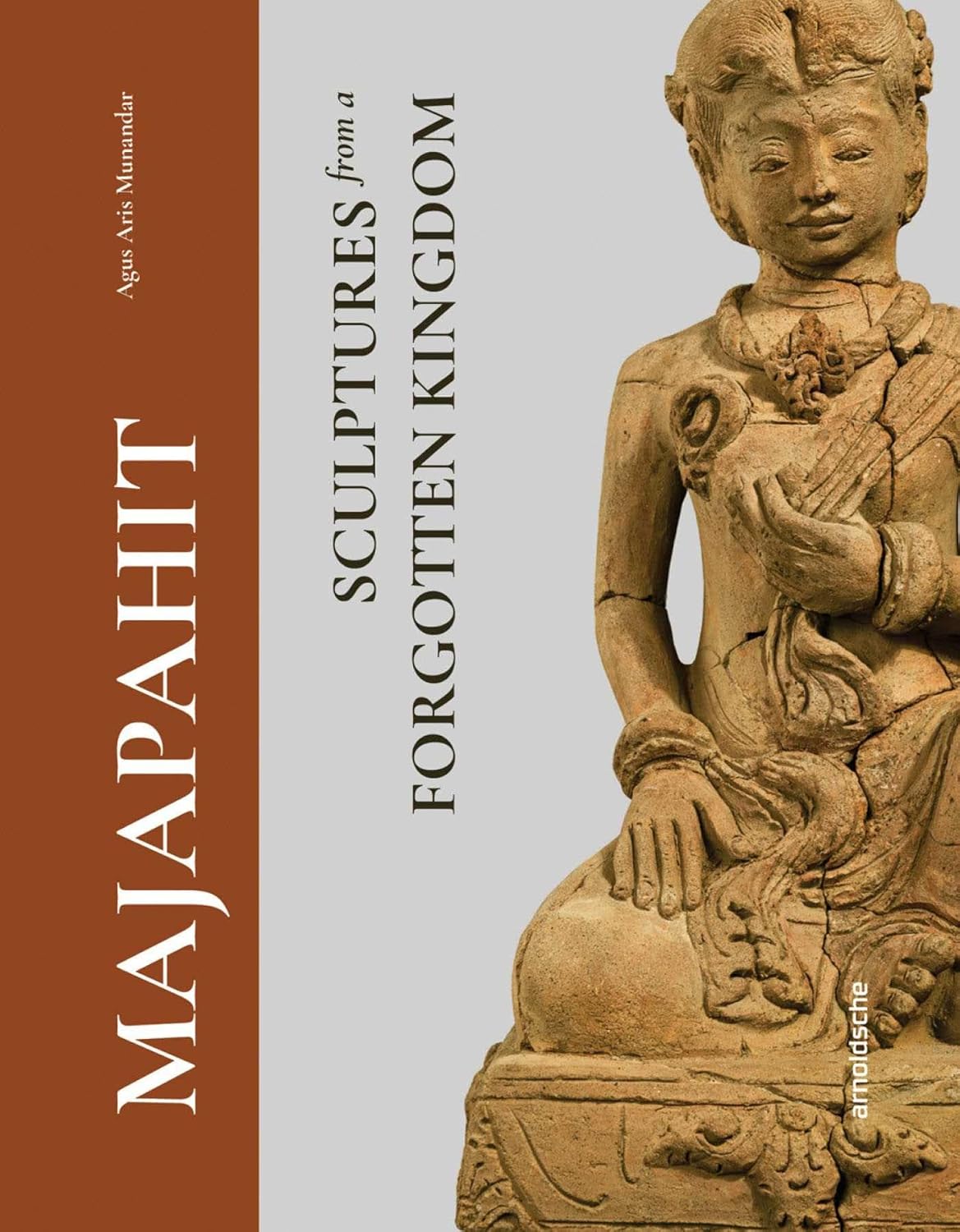
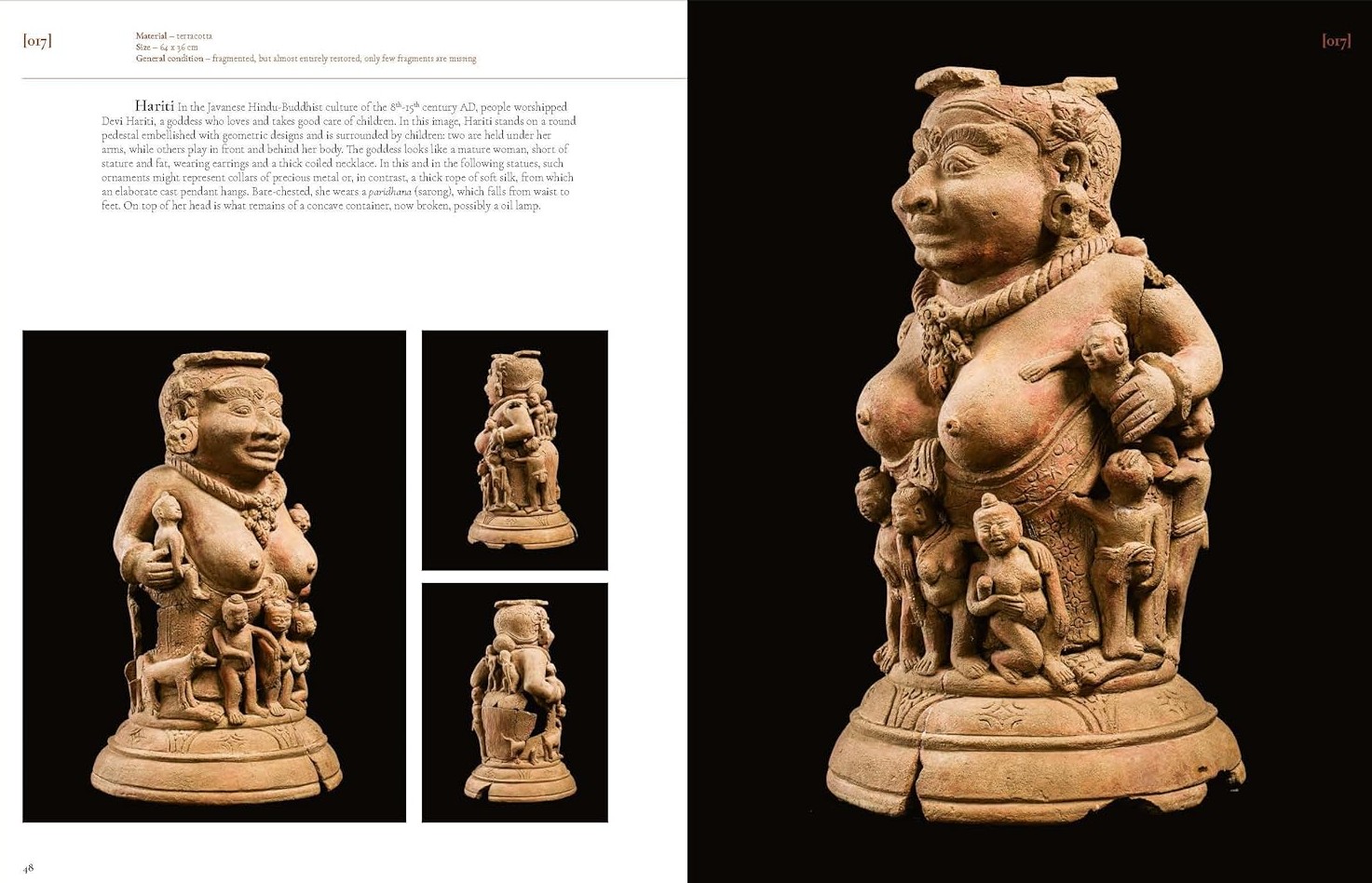
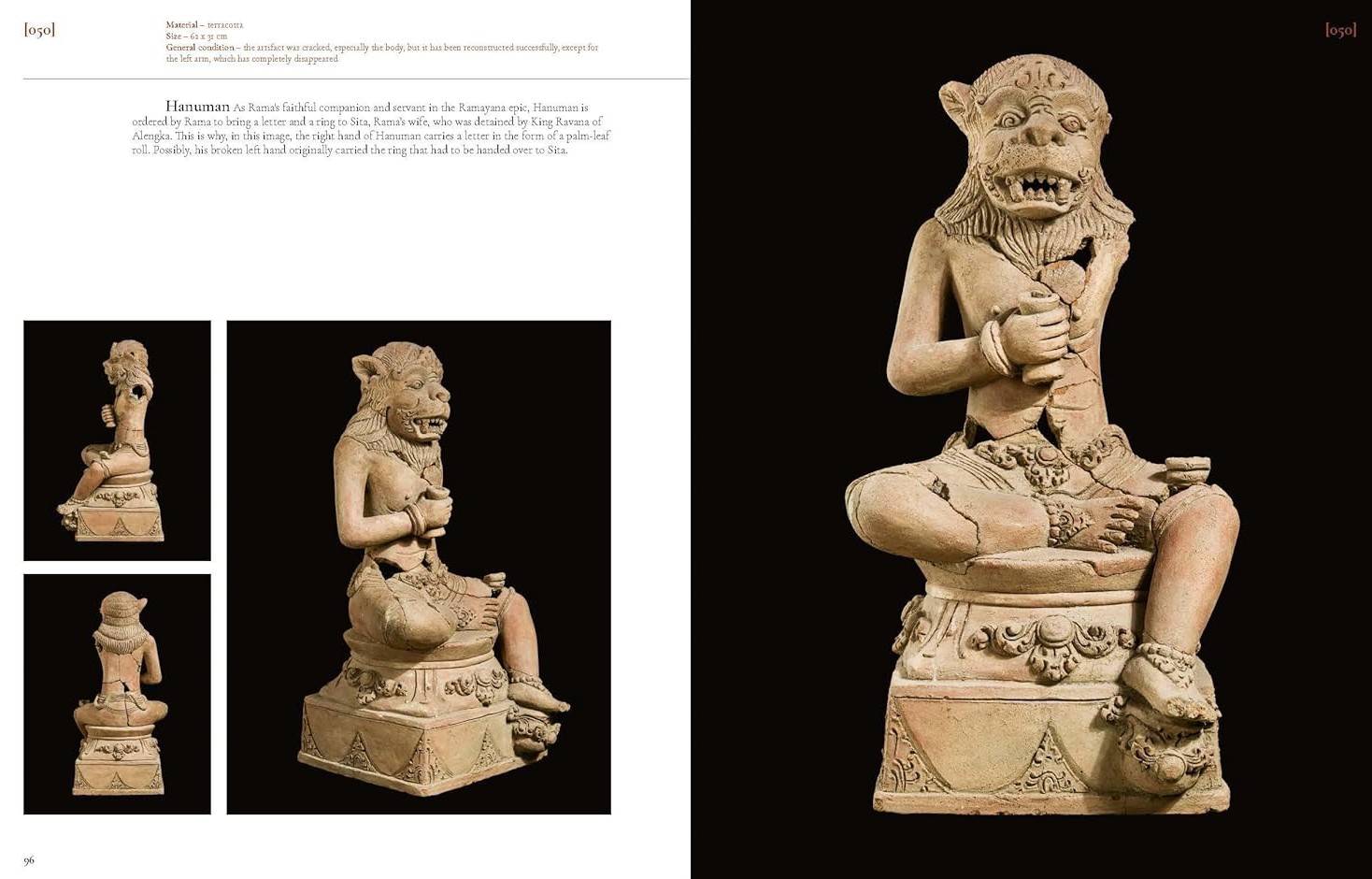
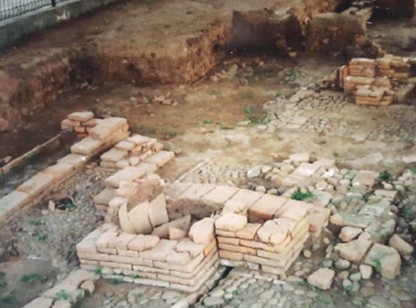
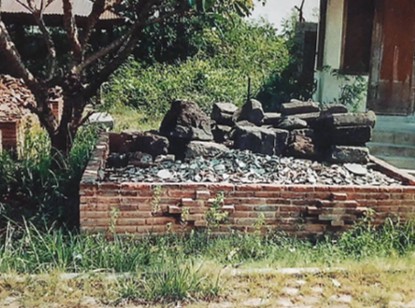
“ The Majapahit Empire, which flourished in East Java, Indonesia, from the late 13th to the early 16th century, was one of Southeast Asia’s most influential Hindu-Buddhist kingdoms, renowned for its cultural sophistication and far-reaching political power. Under the reign of King Hayam Wuruk (1350–1389), Majapahit’s capital, Trowulan, emerged as a vibrant center of religious devotion and artistic production. Among the most distinctive legacies of the Majapahit period is its prolific use of terracotta, employed for both utilitarian and symbolic purposes. ”
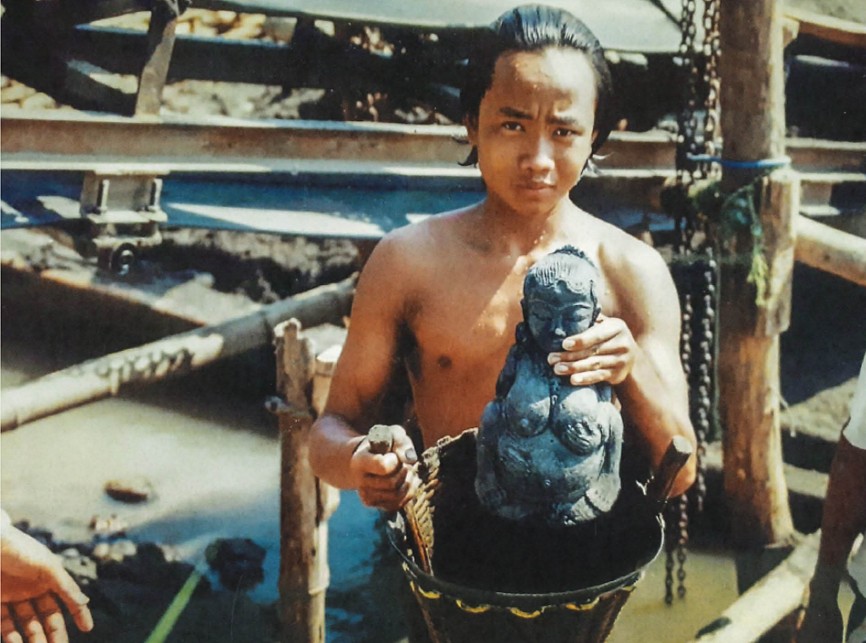
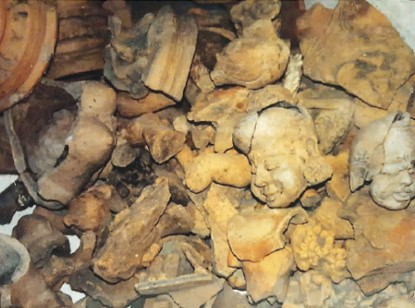
Images from Majapahit: Masterpieces from a Forgotten Kingdom
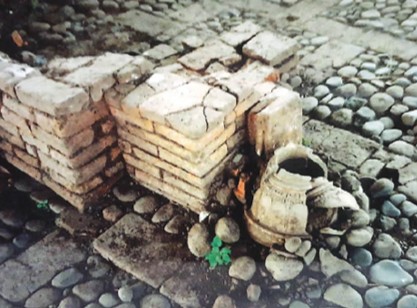
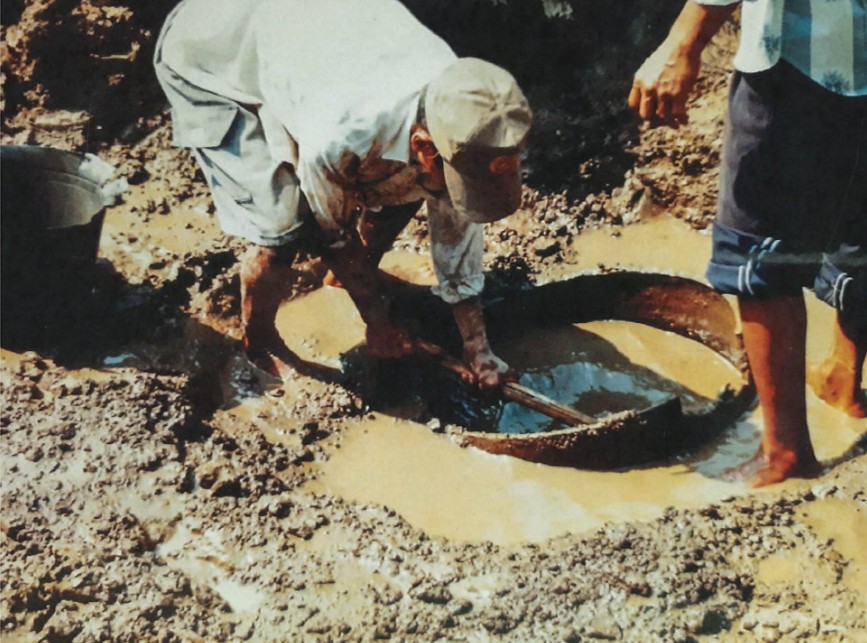
The National Museum of the Philippines traces its history to the establishment of the Museo-Biblioteca de Filipinas during the Spanish colonial period, by virtue of a royal decree of the Queen-Regent of Spain, Maria Cristina, that was approved at the recommendation of the Overseas Minister of the Spanish Government, Victor Balaguer, on August 12, 1887. Sebastián Vidal y Soler, inspector-general of forests in the Philippines and director of the Botanical Garden in Manila, served as the first (acting) director of the Museo-Biblioteca. He was followed by fellow Spaniards Julián Romero, chief forester, in 1890, and Tomás Torres, director of the School of Arts and Trades, in 1893.
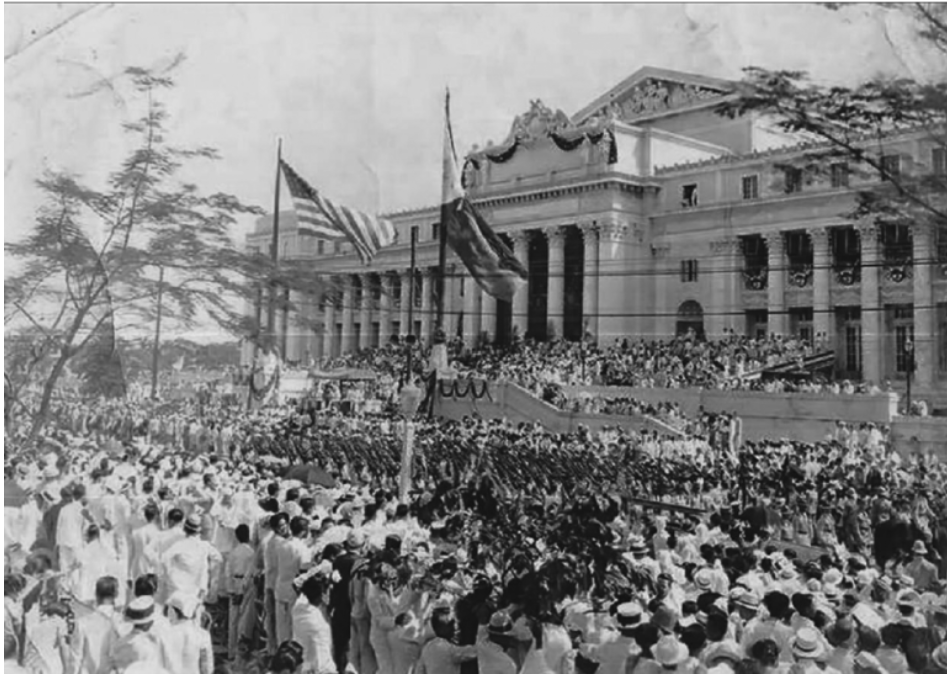
Source: National Museum of the Philippines — National Museum of Fine Arts (official website)
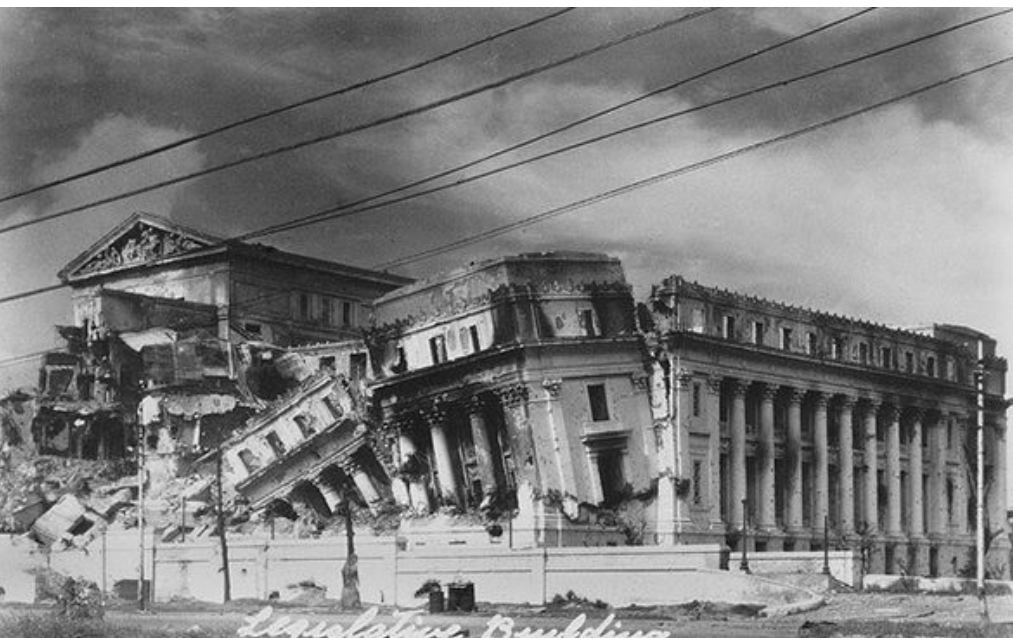
Source: National Museum of the Philippines — National Museum of Fine Arts (official website)
The building was rebuilt in 1949, maintaining its original building footprint and four-story height, but with less ornate façade articulation. The four-story building has a rectangular plan and layout oriented with its line of symmetry in an east-west axis, longitude in a north-south axis, and its main entrances on the east and the west. The building’s central core spaces are flanked by courtyards north and south. The associated rooms are organized around these courtyards with single volume hallways east and west, and double volume hallways north and south. Staircases are at both ends of the entrance halls, and the four corners of the building.
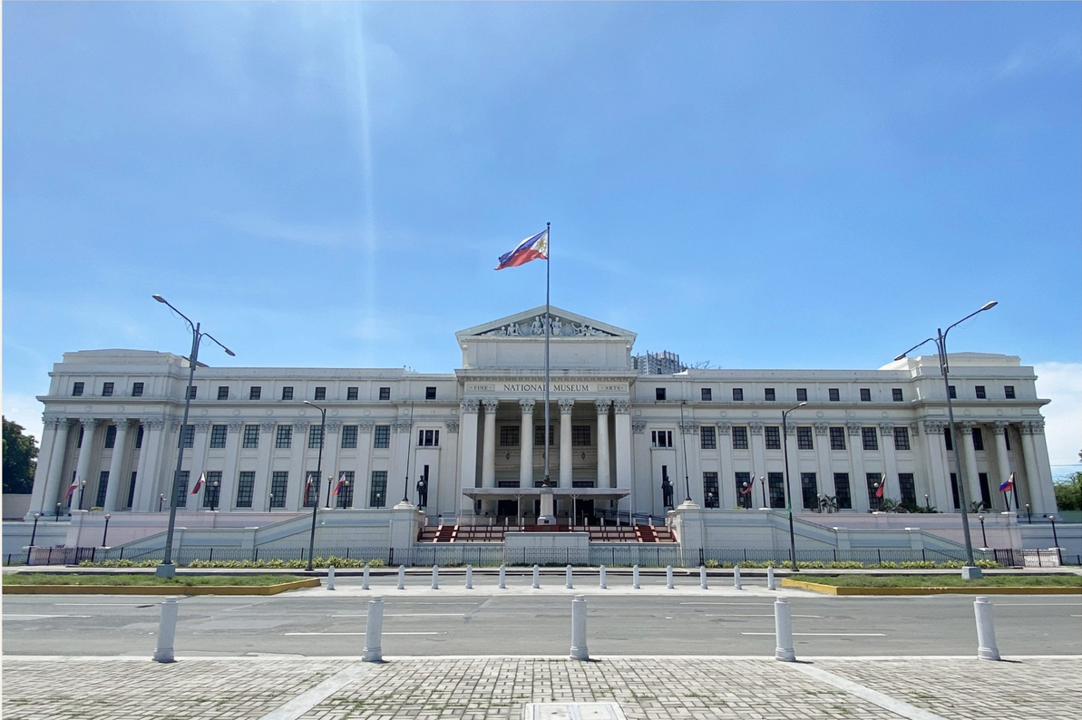
The columned portico at the second floor signals the west entrance accessed through the flights of stairs and the carriageway ramp coming from the ground level along Padre Burgos Street. The west portico has four Corinthian columns rising the full height of the building.
The façades are articulated with giant Corinthian columns and pilasters rising from the second floor level to the height of the two stories of the building, with the first story resembling the one-story high plinth where these columns and pilasters rest.
Decorative entablatures lie above the columns and pilasters surrounding the entire wall. The projecting central bay features a group of four columns, with corbeled balconies on the third level. The corner bays feature another group of four columns with similar Corinthian capitals. Fenestrations feature rectangular windows decorated with grillework. Both east and west façades are identical except for the west central bay with the columned portico. Surmounting the central part of the building are identical east and west pediments with relief sculptures. The temple pediment with relief sculptures depicting “Inang Bayan” surrounded by Greek deities on its tympanum emphasizes grandeur and nationalism, and ennobles the edifice. A splendid view of Intramuros and Luneta can be enjoyed from the west and south of the building respectively.
The building’s east façade is identical with the west façade except for the central bay. An arched porte-cochere protects the east entrance at the ground level approached by way of the east driveway from the present east open space (formerly a southward radial road with Agrifina Circle as its terminus).
On September 30, 2010, by virtue of Republic Act 10096 vesting the power to declare historical landmarks to the National Historical Commission of the Philippines (NHCP), the building was declared as a National Historical Landmark under Resolution No. 8 dated September 30, 2010.
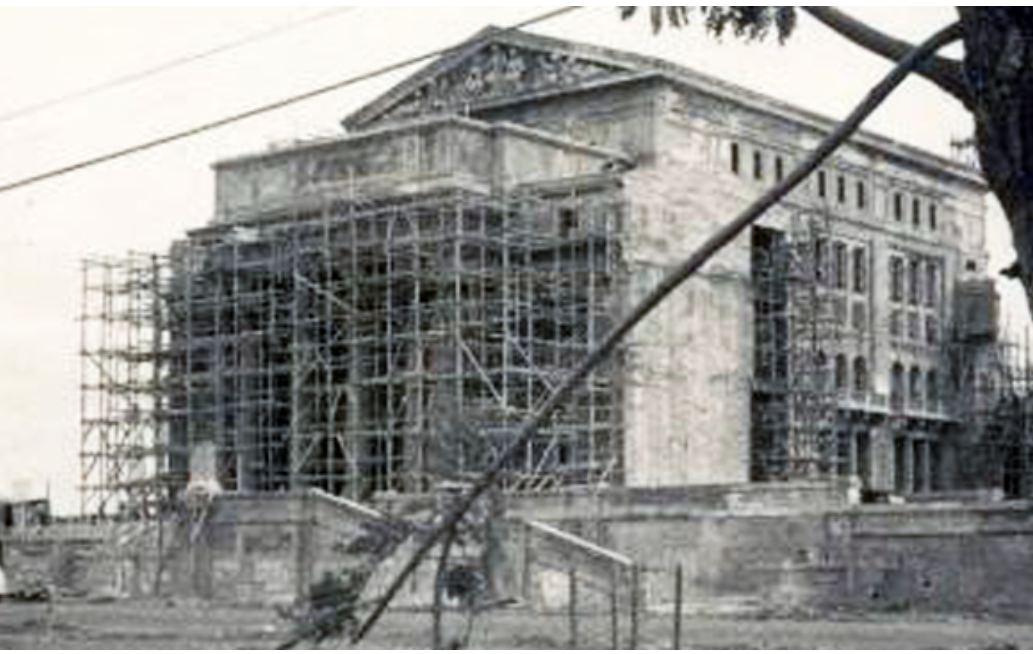
Source: National Museum of the Philippines — National Museum of Fine Arts (official website)
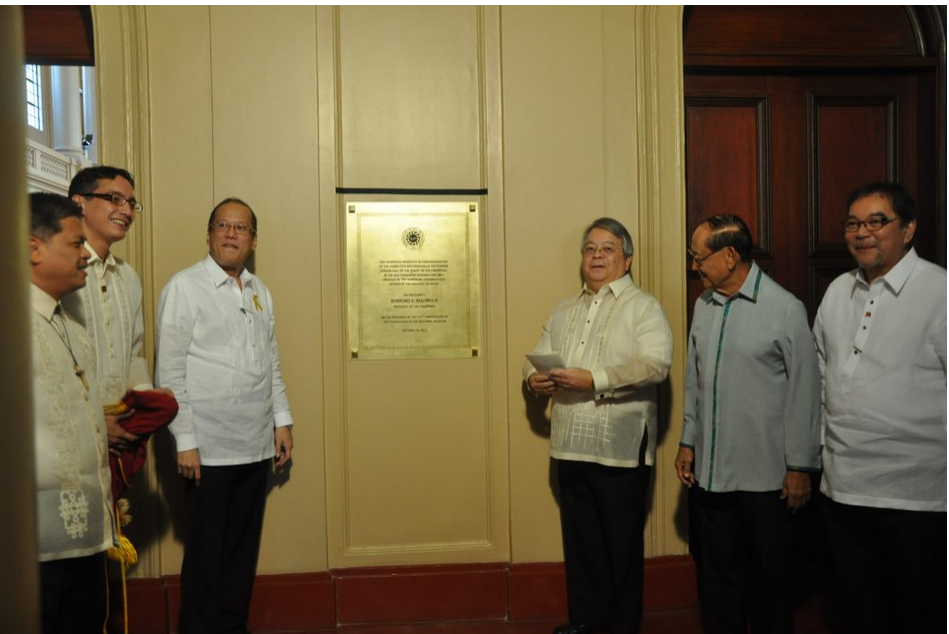
Source: National Museum of the Philippines — National Museum of Fine Arts (official website)
The declaration is an act of honoring the significance of the building as witness to various political historical milestones of the country such as the Constitutional Convention in 1934, inauguration of Presidents namely Manuel L. Quezon of the Commonwealth government in 1935, Jose P. Laurel during the Japanese-sponsored government in 1943, and Manuel Roxas of the Commonwealth government in 1946. During the Martial Law in 1972, it was used as an Executive House of the Prime Minister and eventually became offices of various government branches. A marker commemorating the declaration was unveiled on October 29, 2010.
Highlighting the celebration of the National Museum of the Philippines’ 111th anniversary on October 29, 2012, then President Benigno S. Aquino III graced the event for his inauguration of the restored old Senate Session Hall. The two-year restoration project aimed to bring back its pre-war architectural glory that is intended to be part of the learning tours of museum visitors.
Pursuant to Republic Act 8491 of 1998 known as the Flag and Heraldic Code of the Philippines, on July 16, 2019, the NHCP unveiled the Philippine Flag Hoisting marker at the National Museum of Fine Arts to honor the site’s historic value. In view of this, the Philippine Flag is to be permanently hoisted and lighted at night at the National Museum of Fine Arts.
As the present National Museum of Fine Arts, new additions north and south of the building footprint serve as the museum building’s administrative offices, and public spaces. Sculptures accentuates the building’s grounds and open spaces. The open spaces east of the building serve as a visual corridor where one can enjoy the perspectives of the surrounding urban spaces and the other neo-classical building across the road, the present National Museum of Anthropology (former Department of Finance Building).
Today, the building as the National Museum of Fine Arts, is a home to 29 galleries and hallway exhibitions comprising of 19th century Filipino masters, National Artists, leading modern painters, sculptors, and printmakers. Also on view are art loans from other government institutions, organizations, and individuals.
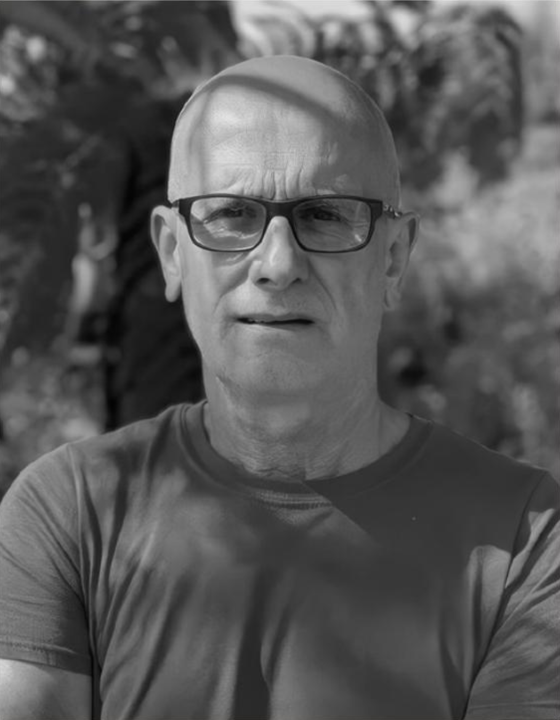
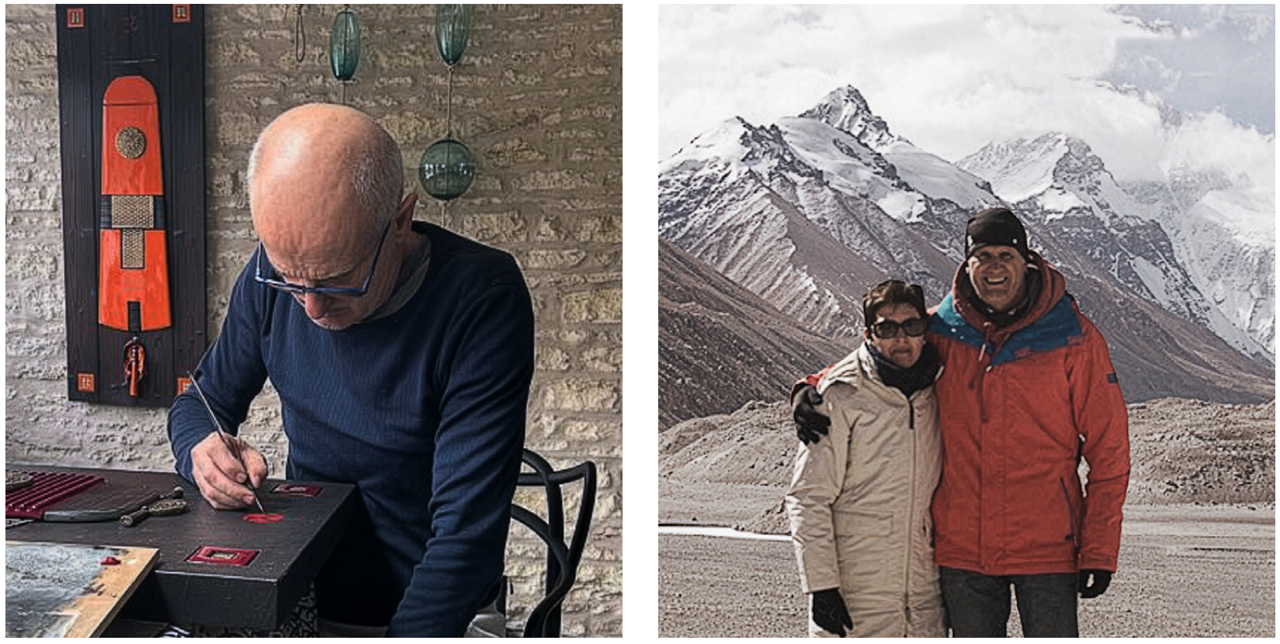
Philippe Icher at work in his studio and at the foot of Mount Everest in Tibet
From an early stage, Icher was drawn to Asia, and more specifically to the regions stretching from Tibet to Ladakh, Nepal, and Zanskar. Traveling well beyond established routes, he immersed himself in daily life among Himalayan communities, captivated by the omnipresence of nature, the simplicity and generosity of the people, and a philosophy of life rooted in humility and spiritual awareness. These journeys became both a source of artistic inspiration and the foundation of a deeply personal collection, assembled over many years with patience, respect, and discernment.
As a collector, Icher sought objects not as curiosities, but as vessels of meaning. Buddhist prayer scrolls in Nepalese Sanskrit, Tibetan ornaments, ritual jewelry, engraved copper plates, Indian textile and batik stamps, and fragments of utilitarian beauty were gathered through lived encounters and shared moments. One of the most formative experiences of his life was attending the Kalachakra festival in Ladakh, led in part by the Dalai Lama, where the spiritual intensity of the event was matched by the visual richness of traditional adornments worn by men and women alike. These objects, imbued with symbolic weight and personal memory, would leave an indelible mark on his artistic language.
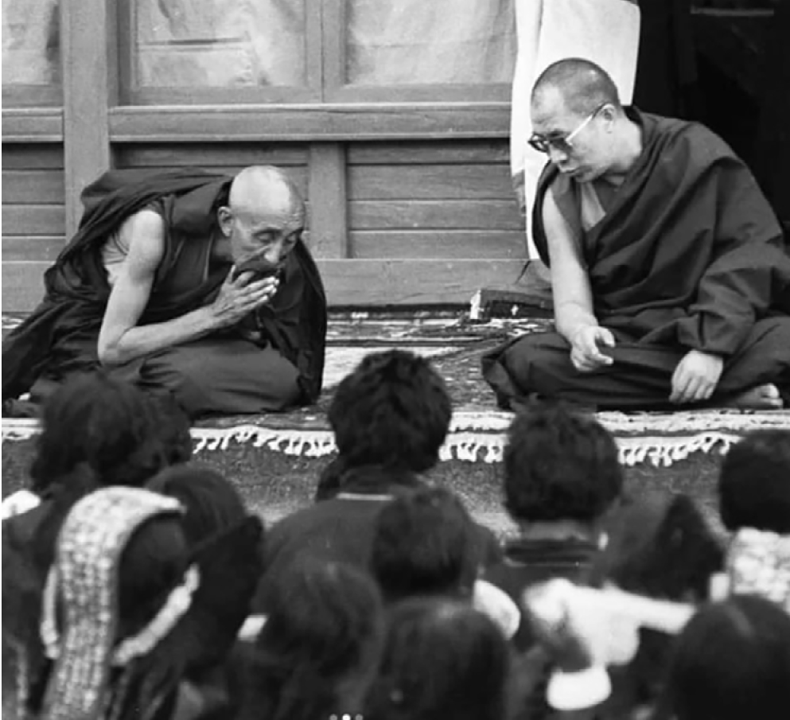
The 14th Dalai Lama at the first Kalachakra in Ladakh, September 1976
In the studio, Icher brings these collected elements into dialogue with his primary medium: ceramics. Clay forms the structural and emotional core of his wall works, around which bronze, pigments, wood, hemp, mother-of-pearl, leather, and found objects are carefully assembled. The resulting compositions evoke tribal adornments, sacred books, or fragments of ancient architecture—works that feel at once timeless and intimate. Each piece is conceived as an invitation to travel, echoing the spirit of the Silk Road and the age of great explorers, while remaining deeply anchored in the artist’s personal experience.
Icher’s dual identity as artist and collector reached a new level of recognition when he was selected to create the complete decorative universe for the K2 Djola Courchevel, one of the Leading Hotels of the World. There, his works resonate seamlessly with an environment inspired by Himalayan peaks, affirming the coherence between his artistic vision and his lifelong engagement with Himalayan cultures. Today, present in numerous European collections, Philippe Icher stands as a rare figure for whom collecting is not accumulation but stewardship—an act of preserving memory, symbolism, and beauty, and of passing them forward through art.
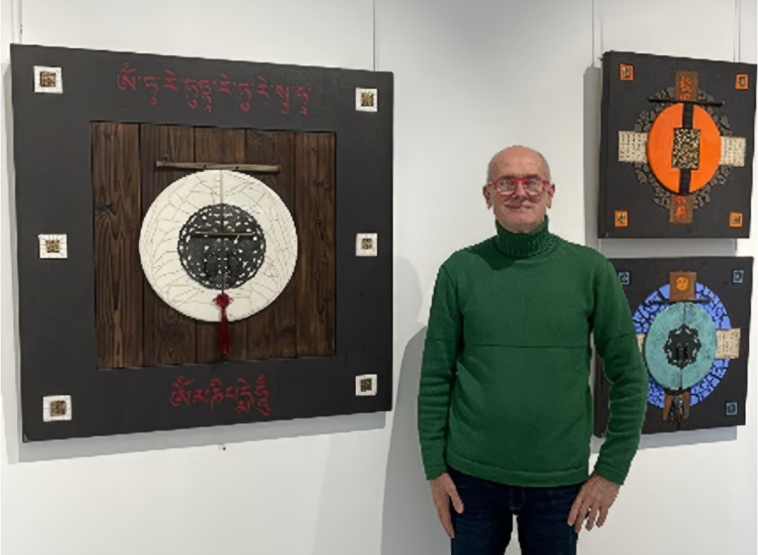
Icher at an exhibition of his works
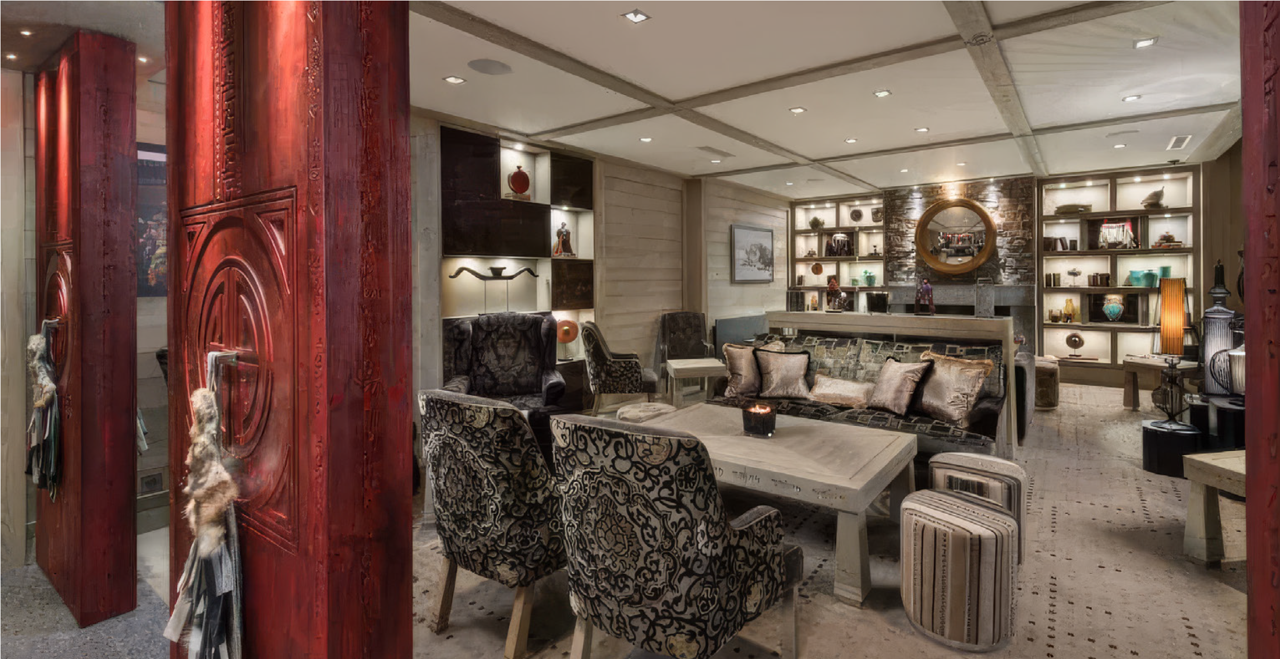
Interiors of the K2 Djola Courchevel (one of the Leading Hotels of the World), featuring works created by Icher

Managing Director
Senior Expert - Chinese & Southeast Asian Art
Expert - Chinese & Southeast Asian Art
Production Director
Online Content Director

Cataloger

Cataloger

Cataloger

Cataloger